
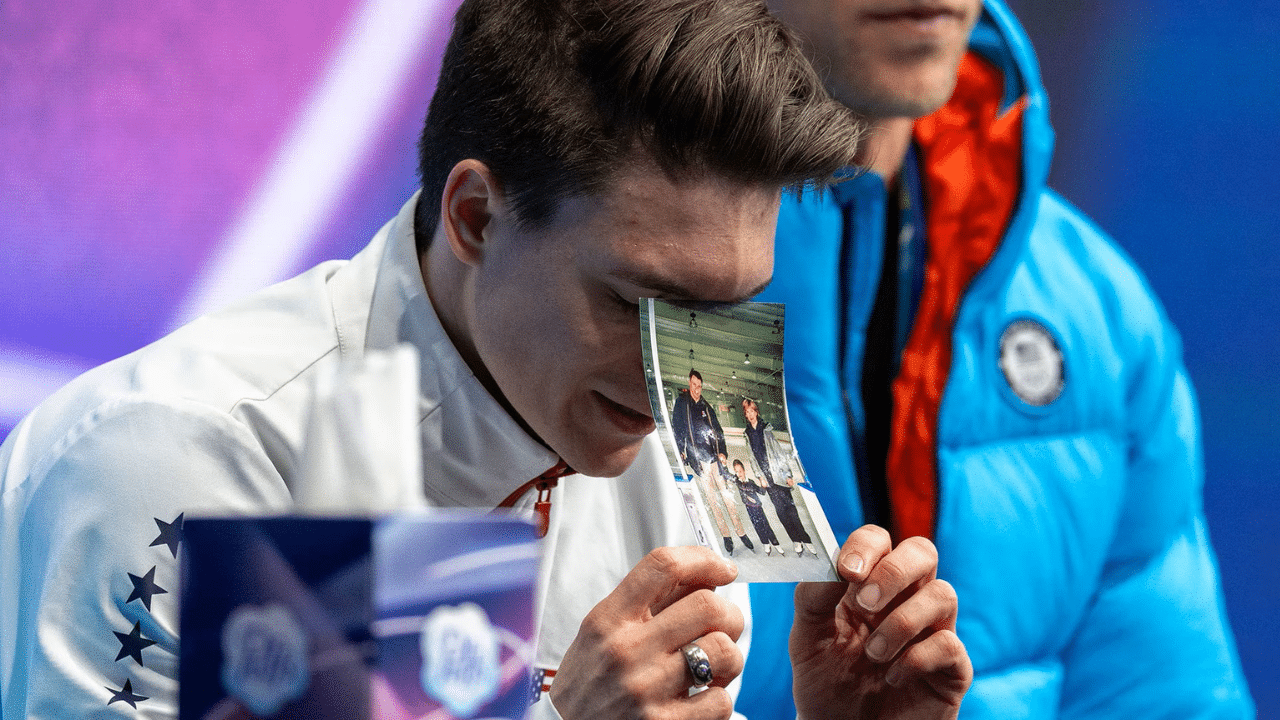
What the 2026 Winter Olympians Teach Us About Mental Strength
The Winter Olympics are about incredible athletic feats, but the lessons that resonate longest come from the mindset behind the performance.
From resilience in the face of setbacks to honest conversations about mental health, the 2026 Games in Milan-Cortina offered powerful examples of what it really means to compete, and the off-field preparation that is part of training.
As we watched these Olympians on the world’s biggest stage, we saw lessons our own participants can carry into their seasons and beyond. Below are three key takeaways young athletes can apply to their journeys, along with reflection questions to help turn Olympic inspiration into everyday growth.
1. Mental Health Is Part of Performance
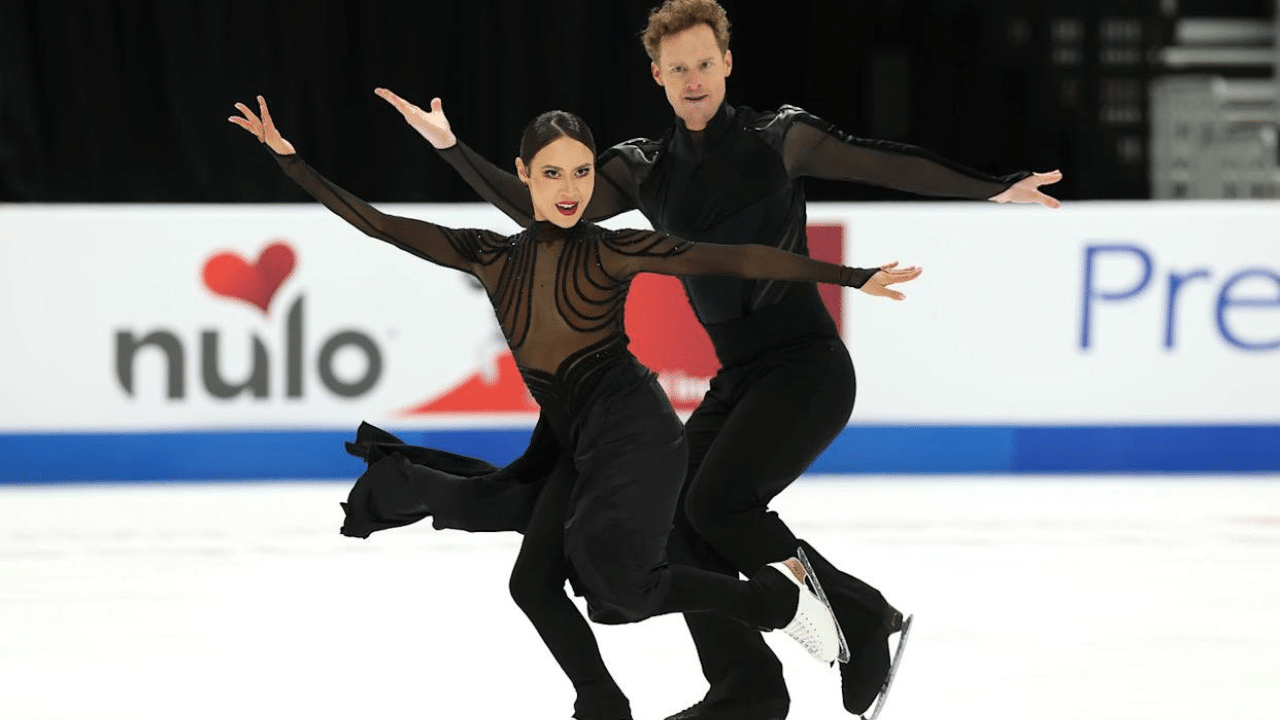
Madison Chock (Ice Dance)
Chock, who won silver with partner and husband Evan Bates, talked honestly about how mental health shaped her Olympic experience:
“I think as a young athlete, I wasn’t always aware how much my mental health impacted my performance … it’s actually more mental than it is physical.”
Chock also described the comfort items she brought from home, a couch blanket and pillows, not for luxury, but for mental grounding in a high-pressure environment.
Takeaway: Mental well-being isn’t “nice-to-have,” it’s a performance tool powerful enough to shape outcomes.

2. Redefining Success and Perspective
Lindsey Vonn (Alpine Skiing)
Success at the Olympics isn’t always measured in medals. On the eve of her final Olympic run, Vonn shared this mindset:
“No matter what happens, I have already won.”
Her perspective paid off, as she didn’t get her storybook ending, crashing early in her race and suffering a significant injury. But her reflection afterwards paints a different kind of victory:
“Yesterday my Olympic dream did not finish the way I dreamt it would … it wasn’t a story book ending … it was just life. And similar to ski racing, we take risks in life. We dream. We love. We jump. And sometimes we fall. Sometimes our hearts are broken. Sometimes we don’t achieve the dreams we know we could have. But that is the also the beauty of life; we can try.”
Even with all her setbacks, including age, injury, and physical limits, she chose to define success not by the result, but by the courage to compete
Takeaway: Victory begins with intention and courage, not just the outcome.
3. Perseverance Through Adversity
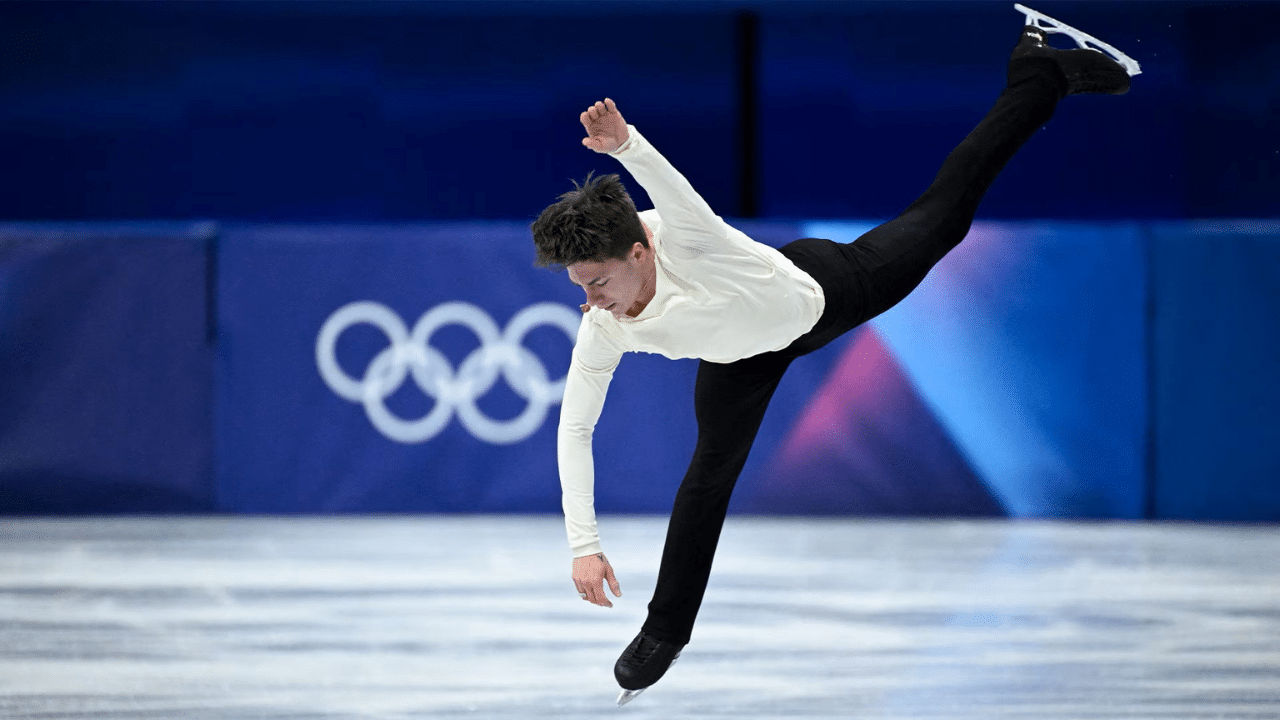
Maxim Naumov (Figure Skating)
After losing both of his parents in a plane crash last year, Maxim has been navigating grief, pressure, and expectations. Not just as a person, but as an athlete still expected to show up and perform.
He is an advocate for mental health and a prime example of how to persevere through adversity.
“The only way out is through, and everyone has the ability to do that. To remain strong in your mind, have willpower and do things out of love instead of fear “
Maxim has sense launched his own mental health initiative, to help build resilience and support athletes emotionally.
Takeaway: Adversity doesn’t disqualify you, it develops you.
5 Questions to Ask Your Young Athlete After Watching the Olympics
Use these to turn the inspiration of the Games into real growth:
- What does it mean when athletes prioritize mental health as part of performance?
- How does the message that you “already won” by showing up change your view of success?
- What mental prep tool could you add to your training routine?
- What motivates you to keep going when you feel defeated?
- What lesson from these Olympians will help you when things don’t go your way?
Why These Stories Matter
Olympians don’t just perform at the highest level, they model character and mindset. They show young athletes that:
- Mental health matters as much as physical ability.
- Perseverance doesn’t depend on perfect outcomes.
- Preparation starts inside the mind.
- Success can be defined by effort.
And the most important takeaway: Life, like sport, will not always go your way. What counts is how you respond.
 English
  Spanish
This is wonderful. I’m a figure skating coach, single mother of two girls and absolutely 100% know how important mental health is to navigate this world. There are so many ways we can support each other in this journey. Mental health is of the utmost importance to take care of yourself physically. We need to remove the shame from it and identify it as it can manifest in many different ways and can me managed in many different ways. I will continue to help my athletes to the best of my ability.
We couldn’t agree more! Thank you for sharing and for modeling great behavior for your girls and your athletes. It’s a team effort!